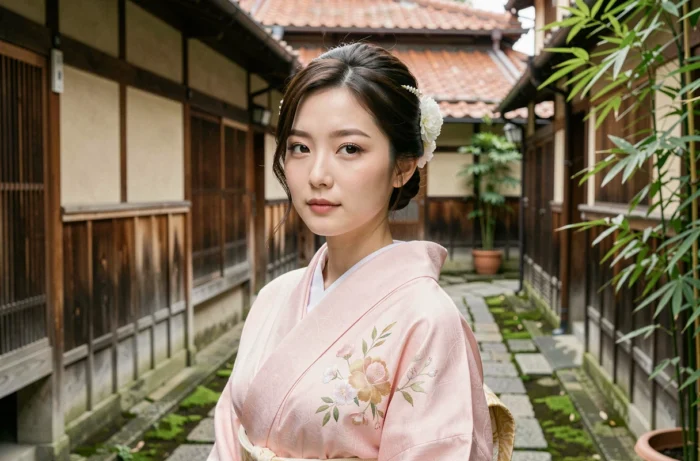
In Japan, fair skin is not just an aesthetic preference. It is a cultural marker rooted in several centuries of history, linked to the social distinction between outdoor labor and aristocratic life. This relationship to skin tone still structures today’s cosmetic aisles, skincare routines, and even the way makeup is conceived.
Men’s Beauty in Japan: A Market That Goes Beyond Simple Care
Have you noticed that Japanese advertisements for cosmetics are increasingly targeting men? This is not incidental. Men’s beauty has become an autonomous segment in Japan, with uses that go far beyond shaving or moisturizing cream.
Japanese men, especially the younger ones, are now incorporating daily skincare, subtle makeup, and targeted treatments: hair removal, acne scar correction, and anti-aging prevention. This shift is partly explained by the influence of social media and the standards conveyed by Korean and Japanese pop culture.
What distinguishes this market is that the products are not simply variations of women’s lines. The textures, packaging, and marketing messages are designed to meet specific expectations. To learn more about Secret de Beauté, the dominant aesthetic criteria in Japan are detailed.
Fair Skin and Japanese Cosmetics: What the “Natural” Claims Hide
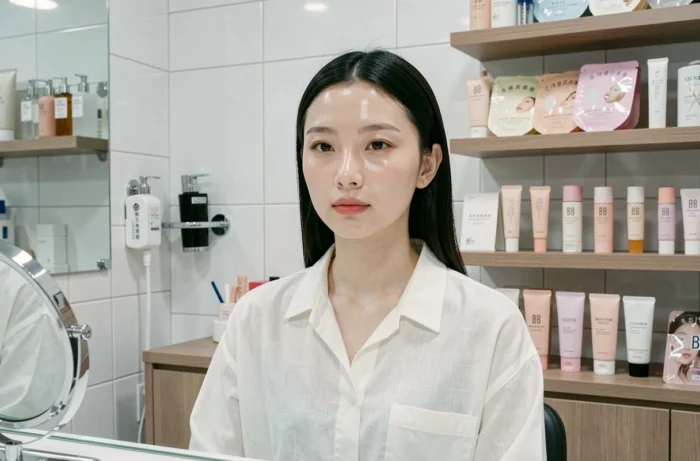
Fair skin remains the foundation of Japanese beauty. The shelves are filled with brightening serums, high-SPF sunscreens, and makeup bases that unify skin texture. Green tea and rice extracts are among the most common ingredients.
However, one point deserves special attention. Many Japanese brands highlight “natural” or “organic” promises on their packaging. There is no unified legal definition for these terms in Japan. Regulations govern the safety and efficacy of products but do not set a specific threshold for plant or organic content.
In practice, two products labeled “natural” can contain very different proportions of plant-derived ingredients. Brands rely on private certifications or their own communication. Therefore, comparing formulas requires a critical eye on the INCI list rather than the marketing discourse.
What Japanese Consumers Are Checking Today
Young Japanese consumers have changed their way of choosing a product. A celebrity endorsement is no longer enough to trigger a purchase.
- Measurable efficacy takes precedence: they want visible results on texture, hydration, or radiance, not vague promises
- User reviews on specialized platforms weigh more than an advertising campaign
- Skin tolerance and product texture are tested before any commitment to daily care
This demand pushes brands to reformulate their products around documented active ingredients rather than relying solely on image.
K-beauty Influence on Japanese Practices
Korean beauty, often referred to as K-beauty, is no longer limited to a few sheet masks sold in pharmacies. Its influence extends to skincare, makeup, and aesthetic medicine in Japan.
Korean routines, centered on specific actives and visible results, have popularized a more “scientific” approach to skincare. Japanese Gen Z consumers willingly adopt Korean brands for certain steps in their routine while retaining Japanese products for others.
Competition Between Japanese and Korean Brands
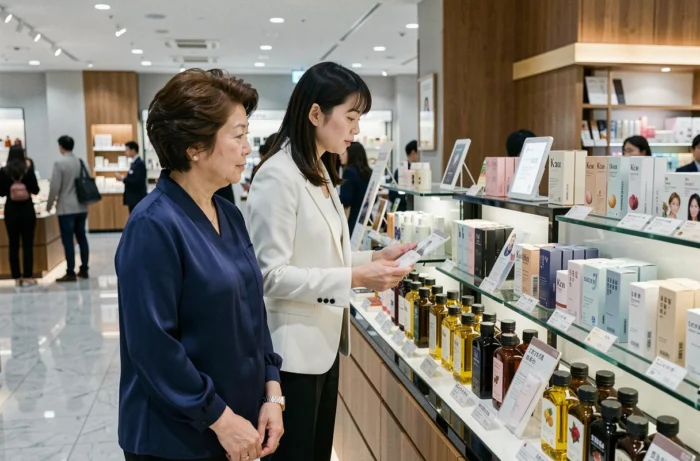
This hybridization creates direct competitive pressure. Historic Japanese brands, like Shiseido, must adjust their communication and formulas to avoid losing customers who now compare results product by product.
Korean aesthetic medicine clinics are also gaining visibility in Japan. Some procedures (injections, laser treatments) that were once rarely discussed publicly are now the subject of more open discourse, driven by social media.
Aesthetic Medicine in Japan: Strict Regulation but a Growing Market
Japanese aesthetic medicine is developing within a regulatory framework that is stricter than in many neighboring countries. Aesthetic medical procedures are governed by precise rules, which distinguishes the Japanese market from some Asian markets where regulation remains vague.
This rigor does not prevent growth. Demand is increasing, driven by expectations for concrete results and a gradual social acceptance of these practices. Men represent an increasing share of the clientele, particularly for treatments related to acne or skin rejuvenation.
- The most requested treatments focus on skin quality (texture, pores, radiance) rather than altering facial features
- Anti-aging prevention attracts an increasingly younger clientele
- Clinics communicate more about documented results than about generic promises
A Changing Relationship with the Body
The acceptance of aesthetic medicine reflects a broader change. The criteria of Japanese beauty are no longer fixed in a single tradition. They are recomposing under the cross effects of Korean culture, social media, and a generation that prioritizes tangible results.
Thinness and fine features remain valued, but the notion of “healthy beauty” is gaining ground. Japanese women and men seek a balance between a polished appearance and real well-being, gradually shifting the focus between pure aesthetics and overall health.
The brands that will stand out will be those capable of documenting their promises, adapting to informed consumers, and navigating between Japanese heritage and influences from Korea or elsewhere. Fair skin remains a benchmark, but the way to achieve it, claim it, and question it has profoundly changed.