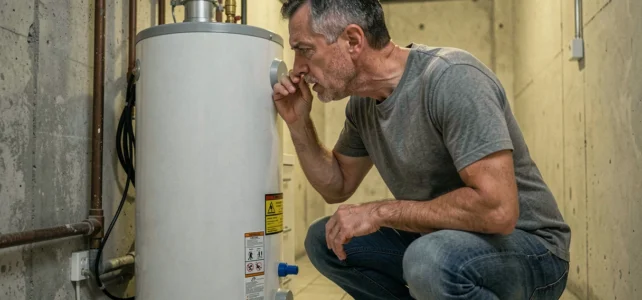
Identifying the exact nature of a suspicious odor in a home determines the response to be taken. An odor perceived as gasoline can come from very different sources (stored fuel, heating oil, DIY solvent), and each presents a distinct level of risk. This article compares these sources, their respective dangers, and the actions that follow.
Heating Oil, Gasoline, or Solvent: A Comparison of Indoor Hydrocarbon Odor Sources
The first reflex when faced with a hydrocarbon odor is often to think of automotive gasoline. In reality, several chemical compounds produce similar odors, and confusing heating oil with gasoline radically changes the diagnosis.
| Source | Volatility | Flammability Indoors | Toxicity by Inhalation | Probable Location |
|---|---|---|---|---|
| Gasoline (unleaded) | Very high | Very high (explosive vapors) | High (benzene, VOCs) | Garage, can, lawnmower, chainsaw |
| Heating oil | Moderate | Low at room temperature | Moderate (heavy hydrocarbons) | Heating tank, boiler, basement |
| Solvents (white spirit, thinner) | High | High | High (multiple VOCs) | Workshop, laundry room, storage area |
| Deodorizers / diffusers | Variable | Negligible | Low to moderate (masked VOCs) | Living areas |
Automotive gasoline releases vapors at room temperature. These vapors, being heavier than air, accumulate at ground level and in low points, making an adjacent garage particularly exposed. A poorly closed can or a leaking lawnmower tank is enough to saturate a closed volume.
Heating oil, on the other hand, is much less volatile. Its persistent odor most often results from a leak in the tank or the boiler circuit. The risk of explosion is low, but contamination of the soil and walls can become a lasting health issue.
A frequently overlooked point concerns DIY solvents. An open can of white spirit in a poorly ventilated area produces an odor almost identical to that of gasoline. It is useful to better understand the meaning and danger of gasoline odor in the home to distinguish these situations and adapt one’s reaction.

VOCs and Gasoline Vapors: Health Effects Based on Exposure Duration
Gasoline vapors contain volatile organic compounds (VOCs), including benzene. Acute exposure causes headaches, dizziness, and irritation of the respiratory tract. At high concentrations in a closed space, loss of consciousness is possible.
The duration of exposure changes the nature of the risk. A brief whiff when opening a can does not have the same consequences as an undetected chronic leak over several weeks.
- Brief exposure (a few minutes): irritation of the eyes and throat, temporary nausea. Simply ventilating is usually enough to make the symptoms disappear.
- Prolonged exposure (several hours to several days): persistent headaches, abnormal fatigue, concentration difficulties. These signs should trigger a medical consultation and active search for the source.
- Chronic exposure (weeks, months): VOCs, and benzene in particular, are associated with broader health risks, notably respiratory and neurological, according to recent literature on indoor pollution.
Children and the elderly are more vulnerable due to a higher respiratory volume relative to body weight in the former, and a reduced elimination capacity in the latter.
Methodical Diagnosis of a Persistent Gasoline Odor
Field reports emphasize one point: locate the source before any other intervention. Using a deodorizer or an indoor fragrance diffuser to mask the odor is counterproductive. Some of these products emit VOCs themselves, which can worsen the pollutant load in the room instead of reducing it.
The recommended method is to isolate the rooms one by one. Close all interior doors, wait about thirty minutes, then reopen each door while sniffing the air. The room where the odor is most concentrated indicates the direction of the source.
Adjacent Garage and Motorized Equipment
In the majority of reported cases, the odor comes from the garage. A low-quality plastic fuel can loses its seal over time. The cap seals deform due to temperature cycles. Cans with reinforced seals offer better long-term sealing.
A vehicle parked with a hot engine in a closed garage also emits residual vapors. If the garage connects to the house through an interior door, these vapors migrate to the living areas due to simple pressure differences.
Heating Oil Tank and Heating Circuit
A persistent odor in a basement or cellar points to the heating oil tank. Micro-leaks at the connections of the supply circuit are common in installations over fifteen years old. The odor of heating oil is distinguished from that of gasoline by a heavier and less sharp note, but confusion remains common.
Ventilation and Safety Measures Against Hydrocarbon Vapors
Ventilation is the first lever of action, but it must be applied according to precise rules.
- Open windows to create a cross breeze (two opposite openings). A single opening is not enough to evacuate heavy vapors accumulated at ground level.
- Do not touch any electrical switches, do not light a flame, do not plug or unplug any device. A spark in an atmosphere laden with gasoline vapors can cause an explosion.
- Evacuate the premises if the odor is intense or if symptoms (dizziness, nausea) appear. Call for help from outside.
- After ventilation, check that the odor does not reappear with doors and windows closed. A return of odor indicates an untreated active source.
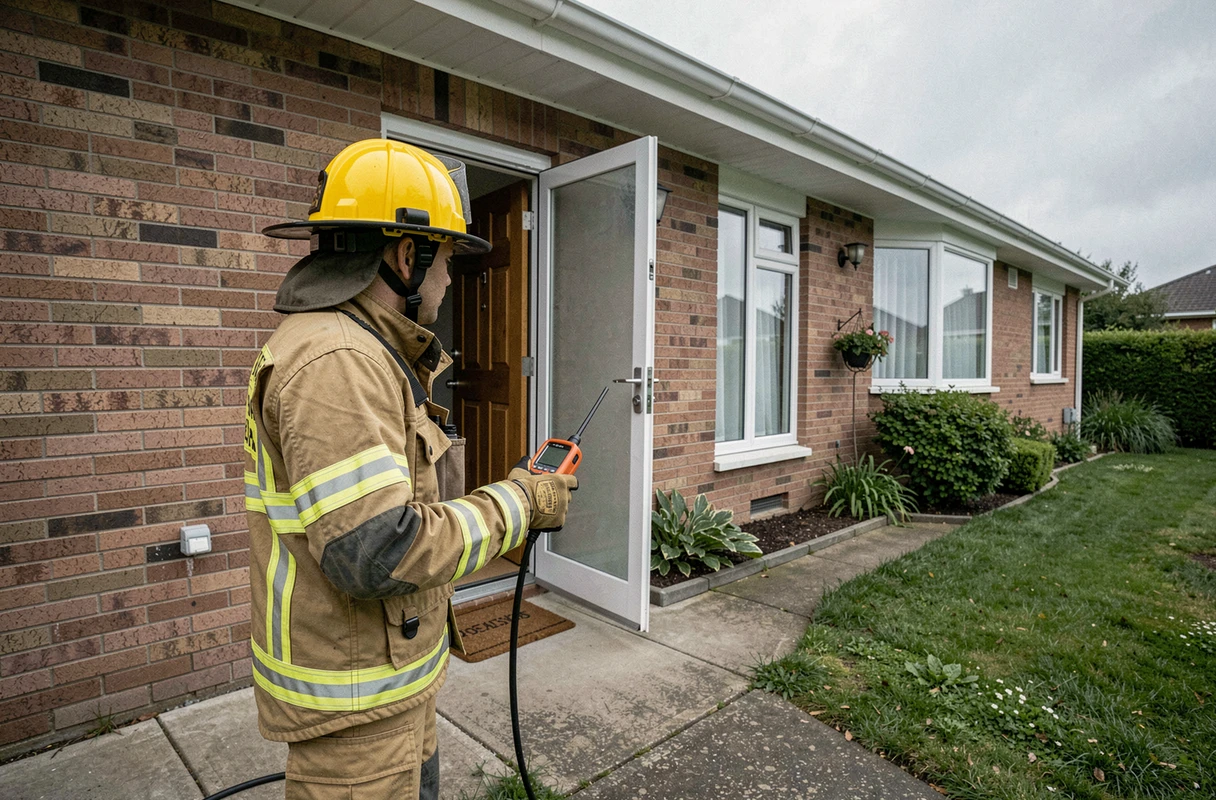
Using a portable combustible gas detector allows for quantifying the presence of vapors and objectifying what the nose perceives subjectively. These devices signal an abnormal concentration before it reaches the flammability threshold.
Once the source is identified and addressed (can removed, leak sealed, connection replaced), cleaning the impregnated surfaces with a mineral absorbent (diatomaceous earth, unscented litter) accelerates the disappearance of the residual odor. Traces of hydrocarbons on raw concrete floors may require specific treatment to prevent slow release of VOCs for several weeks.
A gasoline odor that persists after ventilation and cleaning justifies the intervention of a housing diagnostic professional. The risk is not always where one assumes, and a methodical inspection remains the most reliable way to protect indoor air quality.